
You installed new LED lights hoping for perfect brightness control, but they flicker or won’t dim at all. Poor dimming compatibility leads to eye strain, wasted energy, and frustration. Correct dimming settings ensure smooth control, energy savings, and a comfortable atmosphere.
Lighting dimming is the process of adjusting light intensity to create different ambiances, improve energy efficiency, and extend bulb life. LED dimming differs from traditional incandescent dimming and requires compatible dimmer switches, drivers, and wiring for smooth performance. Choosing the right dimming method ensures flicker-free, energy-efficient lighting control.
Let’s explore what dimming is, its benefits, types, and how to choose the best dimmable LED lights.
What is dimming?
Dimming is the ability to control light intensity by adjusting the power supplied to a light source. Traditional incandescent lamps are dimmed by reducing the voltage, while LED lamps require electronic dimming methods to ensure smooth performance.
Modern dimming systems use digital and analog controls to adjust brightness levels. Proper dimming helps create ambiance, reduces energy consumption, and extends lamp life.
Why is dimming important?
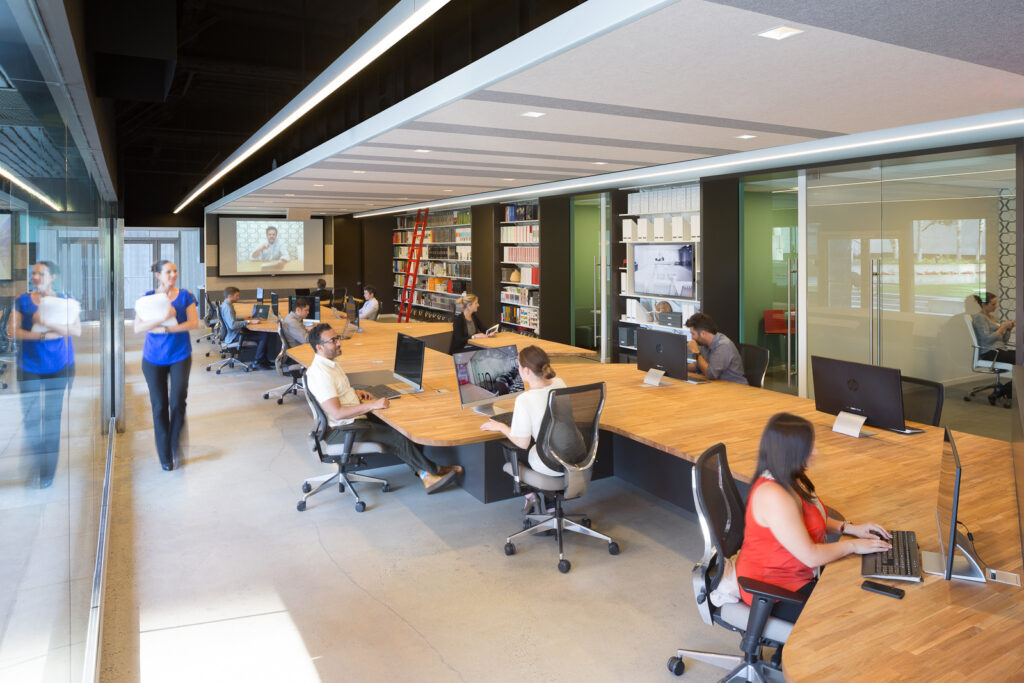
Dimming is more than just adjusting brightness; it plays a vital role in improving energy efficiency, enhancing comfort, and optimizing lighting control in a variety of environments. Whether in the home, office, or commercial space, dimming technology allows users to tailor lighting conditions to specific needs. Here are the main reasons why dimming is important.
Save energy
One of the primary benefits of dimming is reduced energy consumption. Reducing the brightness of LED lights reduces electricity usage, resulting in significant energy savings. This is particularly beneficial in spaces where lights are used for extended periods of time, such as offices, retail stores, and public buildings. Dimming lights when full brightness is not needed reduces electricity bills, making LED dimming an environmentally friendly and cost-effective lighting solution.
Extend service life
LED lights are known for their long lifespan, but dimming can extend their durability even further. When LEDs operate at lower brightness levels, they generate less heat, reducing stress on internal components. Overheating is one of the main factors that shorten the lifespan of lighting equipment, so dimming helps maintain LED performance over the long term. This means fewer replacements and lower maintenance costs, making dimmable LED lights a wise investment for both residential and commercial applications.
Emotional control
Lighting influences mood and atmosphere, and dimmable LED lights offer the flexibility to create different ambiances for various activities. Brighter light improves concentration and productivity, making it ideal for work environments, kitchens, and study areas. On the other hand, dimmed light creates a comfortable and relaxing atmosphere, perfect for bedrooms, living rooms, and dining areas. Dimmable lighting is also widely used in hospitality venues such as restaurants, hotels, and event venues to create the right atmosphere for guests.
Reduce glare
Bright lights can sometimes cause discomfort and eye strain, especially in workplaces and areas with screens. Dimming can help reduce glare by lowering brightness levels, creating a more comfortable environment. This is particularly useful in offices, where employees spend long periods of time under artificial lighting, as well as in home theaters and leisure areas. By adjusting light intensity, dimmable LEDs contribute to improved visual comfort and overall well-being.
Intelligent control integration
Dimming technology is a key feature of smart lighting systems, allowing users to remotely control brightness levels using mobile apps, voice commands, or automated schedules. Many dimmable LED lights are compatible with home automation platforms, allowing for seamless integration with other smart devices. This allows users to create personalized lighting scenes, automatically dimming based on occupancy, and optimizing lighting for different times of day. In commercial spaces, smart dimming can help improve efficiency by adjusting lighting based on daylight availability and occupancy patterns.
The Importance of Dimming in Residential and Commercial Spaces
Dimming is an essential feature in modern lighting design, improving energy efficiency, saving costs, and enhancing comfort. Whether used in homes, offices, retail settings, or hospitality environments, dimmable LED lamps offer greater flexibility, improved functionality, and a better overall lighting experience. By implementing dimming technology, users enjoy both practical and aesthetic benefits, making it an essential feature in any lighting system.

Different Dimming Types for LED Lighting
LED lighting requires specific dimming methods to ensure proper operation and smooth brightness adjustments. Unlike traditional incandescent lamps, which dim by reducing the voltage, LEDs use electronic control systems to achieve dimming without flicker or performance issues. Here are the most common types of LED dimming and their applications.
LED 0/1-10V dimming
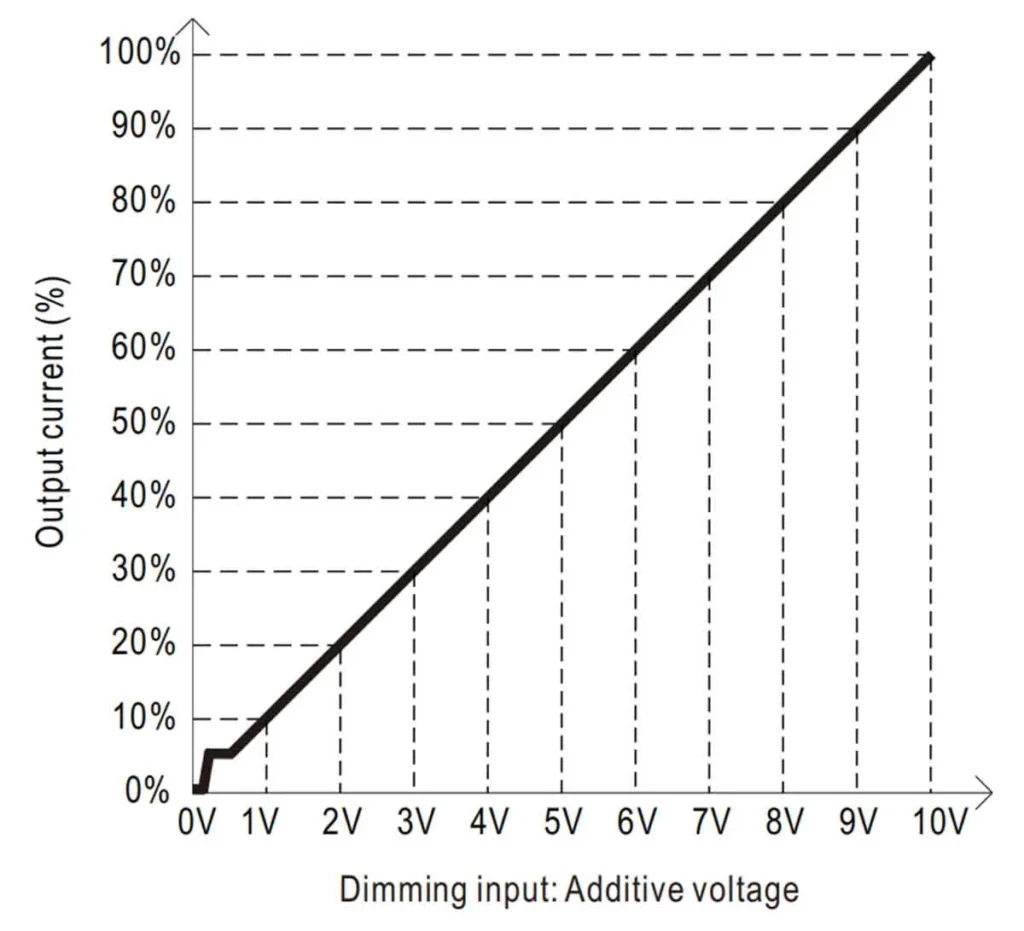
0-10V and 1-10V dimming methods use a low-voltage control signal to adjust the LED brightness level. These systems are widely used in commercial and industrial environments because they provide smooth dimming with minimal flicker.
- 0-10V dimming allows for full dimming control from full brightness (100%) to full darkness (0%). This method is very effective in applications requiring precise light control.
- 1-10V dimming allows dimming from 100% brightness down to a minimum of 10% before shutting off. This is a slightly more limited option, but still provides reliable dimming functionality. This dimming method is commonly used in offices, warehouses, and large commercial spaces where efficient control of multiple lights is required. It is suitable for LED panel lights, linear fixtures, and industrial lighting solutions.
Triac dimming
Triac dimming, also known as phase-cut dimming, is one of the most commonly used dimming methods, especially in residential and retrofit applications. It reduces the power supplied to the LED driver by cutting out certain parts of the AC voltage waveform.
- Leading-edge dimming is designed for older incandescent and halogen lamps. It’s not well suited for LEDs because it can cause flickering or buzzing.
- Trailing-edge dimming is the preferred option for LED lighting, offering smoother dimming performance and compatibility with most LED drivers. Triac dimming is widely used in homes, hotels, restaurants, and LED lighting retrofit projects because it’s compatible with many traditional dimmer switches. However, it requires an LED-compatible dimmer to prevent flickering or inconsistent brightness.
PWM dimming (pulse width modulation)
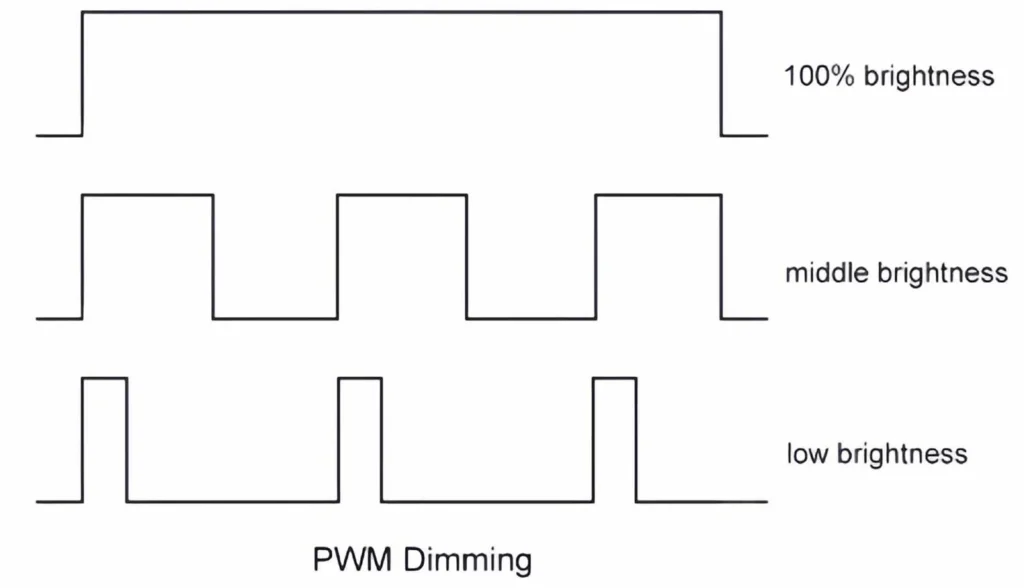
PWM dimming works by rapidly turning the LED on and off at a high frequency. Rather than reducing the voltage, it adjusts the duty cycle of the power supply to the LED, dimming the light without affecting its efficiency.
- Provides precise brightness control for each dimming level.
- Commonly used in LED strips, RGB lighting, and low voltage systems.
- Maintain LED efficiency while avoiding heat buildup. Because PWM dimming operates at such a high frequency, the human eye perceives flicker as smooth dimming. It’s ideal for applications requiring precise color rendering and consistent brightness, such as stage lighting, automotive LED systems, and display backlighting.
DALI and DALI 2 dimming
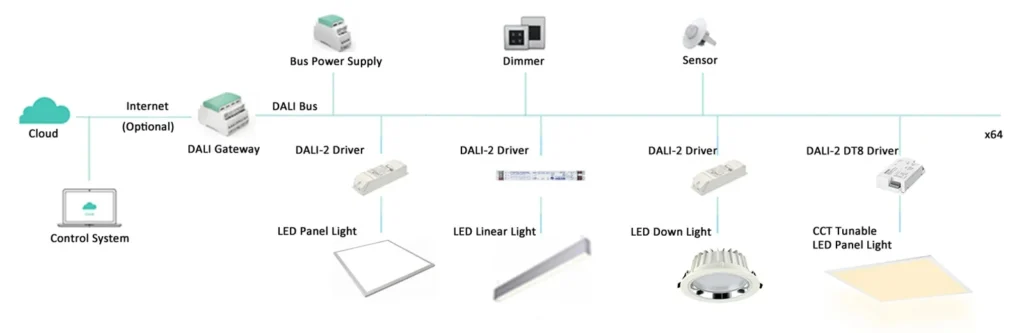
DALI (Digital Addressable Lighting Interface) is an advanced digital dimming protocol that allows lighting devices to be controlled individually or in groups. Unlike analog dimming, DALI enables programmable lighting adjustments through bidirectional communication between the control system and each lighting device.
- Fully programmable lighting controls enable custom dimming schedules.
- Intelligent automation functions for energy-efficient building management.
- Compatible with large lighting networks, including smart homes and commercial properties. DALI and the newer DALI 2 systems are commonly used in corporate offices, hospitals, retail stores, and large commercial buildings, where lighting automation and energy efficiency are paramount. They can be seamlessly integrated with IoT-based lighting control systems, making them a top choice for modern lighting setups.

Choose the right dimming
Payment Method Choosing the best dimming method depends on the type of LED fixture, the application, and the level of control required.
- For homes and small businesses, trailing-edge triac dimming is a cost-effective option for achieving LED compatibility.
- For commercial offices and warehouses, 0-10V dimming provides a simple and effective method for adjusting brightness levels.
- For decorative and RGB lighting, PWM dimming ensures precise brightness control without sacrificing efficiency.
- For smart lighting systems, DALI dimming offers advanced automation and customizable lighting control.
Using the right dimming system ensures smooth brightness transitions, improves energy efficiency, and extends LED life, making it an essential component of modern lighting solutions.
How to choose the best dimmable LED lighting for your venue?
Choosing the right dimmable LED lighting system involves several important factors to ensure smooth operation, flicker-free performance, and compatibility with your existing electrical setup. The right dimming option can improve energy efficiency, create a comfortable atmosphere, and provide greater control over lighting levels. Here are the key factors to consider when choosing the best dimmable LED lighting for your space.
compatibility
One of the most important factors when choosing dimmable LED lighting is ensuring the dimmer switch is compatible with the LED driver and fixture. Not all LED lights work with traditional dimmer switches, as older dimmers were designed for incandescent and halogen bulbs. Using an incompatible dimmer may result in flickering, humming, or incomplete dimming functionality.
- Check the LED manufacturer’s specifications to find the recommended dimmer model.
- Use an LED-compatible dimmer, such as a trailing-edge (ELV) dimmer, which works best with modern LED fixtures.
- If installing dimmable LED panels, downlights, or strip lights, ensure the LED driver supports dimming and is compatible with the dimmer switch technology (Triac, 0-10V, DALI, etc.).
Dimming range
Different dimmers offer different levels of dimming control, and the dimming range should suit your needs. Some dimmers only allow lights to be dimmed to 10%, while others offer a full 0-100% dimming range. Choosing the right dimming range depends on the intended use of the space.
- For residential applications, a dimmer that can reduce brightness to at least 10% is sufficient for mood lighting.
- For commercial spaces, choosing a dimmer that supports full-range dimming (0-100%) ensures precise lighting adjustment.
- For theaters, event spaces, and bedrooms, ultra-low dimming (1-5%) creates soft, ambient lighting where needed.
Practical Application
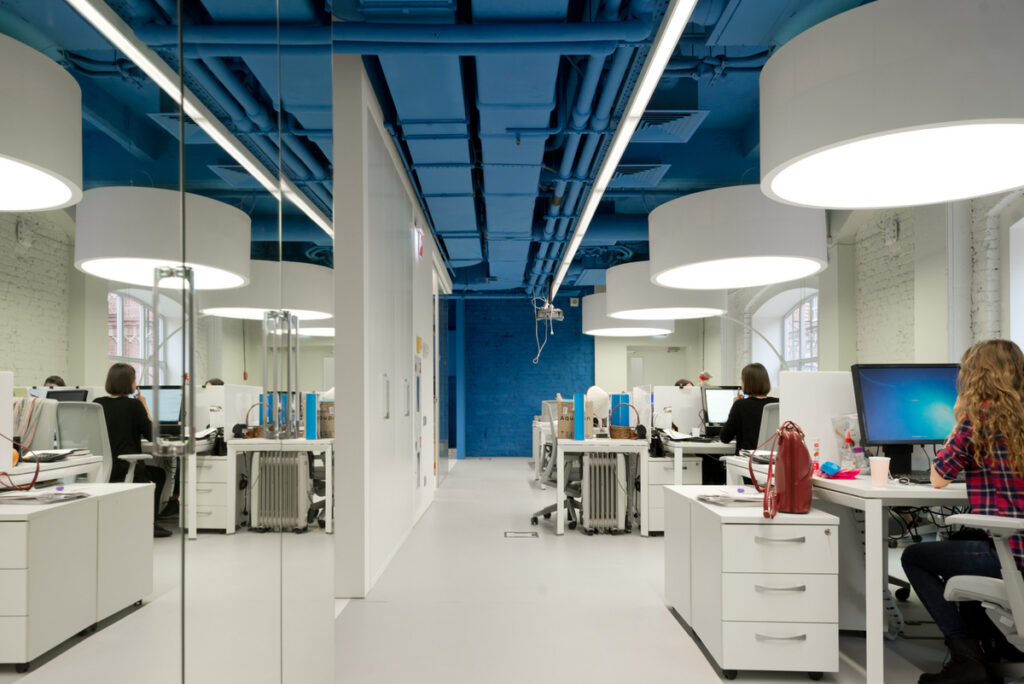
The type of space in which dimmable LED lighting is used determines the best dimming system. Different environments require different levels of dimming performance.
- Home Lighting – Choose thyristor dimming or smart dimmers for warm, customizable lighting.
- Offices and Commercial Buildings – 0-10V or DALI dimming provides smooth dimming and allows multiple lights to be controlled simultaneously.
- Industrial Settings – Dimming in large warehouses or factories should use high-efficiency drivers and 0-10V dimming for uniform brightness control.
- Hospitality and retail spaces – Adjustable lighting can enhance the ambiance of restaurants, hotels and showrooms, so DALI systems or smart dimming with scene control are ideal.
Intelligent integration
Modern LED dimming systems can integrate with smart home and automation systems for greater convenience and efficiency. If you want remote control or voice activation, choose a Wi-Fi or Bluetooth-enabled dimmer that can be adjusted via a mobile app or a smart assistant like Alexa or Google Home.
- With Wi-Fi and Bluetooth dimmers, you can control lighting levels through an app.
- DALI dimming systems allow for advanced scene programming and automation in large spaces.
- Motion and daylight sensors can be paired with dimmable LEDs to automatically adjust brightness based on occupancy and natural light levels.
Testing and troubleshooting
Before finalizing your dimming system, be sure to test the dimmer with the specific LED lamps you plan to use. Dimming performance can vary between manufacturers, and ensuring compatibility early on can help avoid issues like flickering, humming, or limited dimming range.
- Please install and test sample fixtures with dimmers before purchasing in bulk.
- Verify that the dimmer is properly calibrated to avoid instability at low light levels.
- If flickering occurs, check for voltage fluctuations, an incompatible driver, or an overloaded circuit. By considering compatibility, dimming range, application, smart integration, and pre-installation testing, you can choose the best dimmable LED lighting system to improve energy efficiency, extend LED life, and provide superior lighting control for your home or business.
Can any LED light be dimmed?
Not all LED lights are dimmable. Standard LEDs require specialized dimmable drivers and compatible dimmer switches. When purchasing LED bulbs or lamps, always check if they are labeled “dimmable.”
Non-dimmable LEDs may:
- Will produce flicker when used with a dimmer.
- No response to brightness adjustments.
- Cause the dimmer to hum or malfunction. To ensure proper functionality, always use dimmable LEDs with the correct dimming system.
Conclusion
Dimming lighting improves energy efficiency, ambiance, and control. Understanding the different dimming types, from 0-10V to DALI, helps you choose the right setting for your home, office, and commercial space. Choosing the right dimmable LED ensures smooth, flicker-free performance.

